
Circumcision / phimosis / tight foreskin – effective urological procedures
Phimosis describes any condition where the foreskin is too tight to expose the glans – not only during erection but even when the penis is flaccid.
It is most commonly associated with children (little boys are born with the foreskin fused to the glans), but phimosis can occur at any age. As a result of mechanical irritation or local inflammation, the foreskin becomes stiff and inflexible, causing it to narrow and fibrose. In patients with diabetes, this process progresses dramatically quickly – in as little as 6 months, the foreskin can go from normal to completely immobile.
From diagnosis to treatment – comprehensive care for phimosis
An overly narrow foreskin quickly becomes more than just an aesthetic problem – pain and discomfort occur during washing, physiological erections, masturbation and sexual intercourse. When stretched, the foreskin tears and burns. Pulling it back “by force” worsens the condition of the skin and increases pain. Smegma (a natural secretion) accumulates under the foreskin, as well as dust, fabric fibres, urine residue, etc. Hygiene problems expose men to further irritation, discomfort, unpleasant odour and recurrent inflammation.

In children, depending on the condition, phimosis can be treated conservatively with glucocorticosteroid creams and ointments. For adults, this option is not available, and surgical treatment is necessary.
The choice of surgical treatment for phimosis is highly individual and depends on many factors:
It is possible to perform a complete circumcision, partial circumcision or circumcision using an anastomator – a disposable stapler that allows for a bloodless procedure. The choice of the appropriate method for a given man is made during a consultation prior to the procedure.
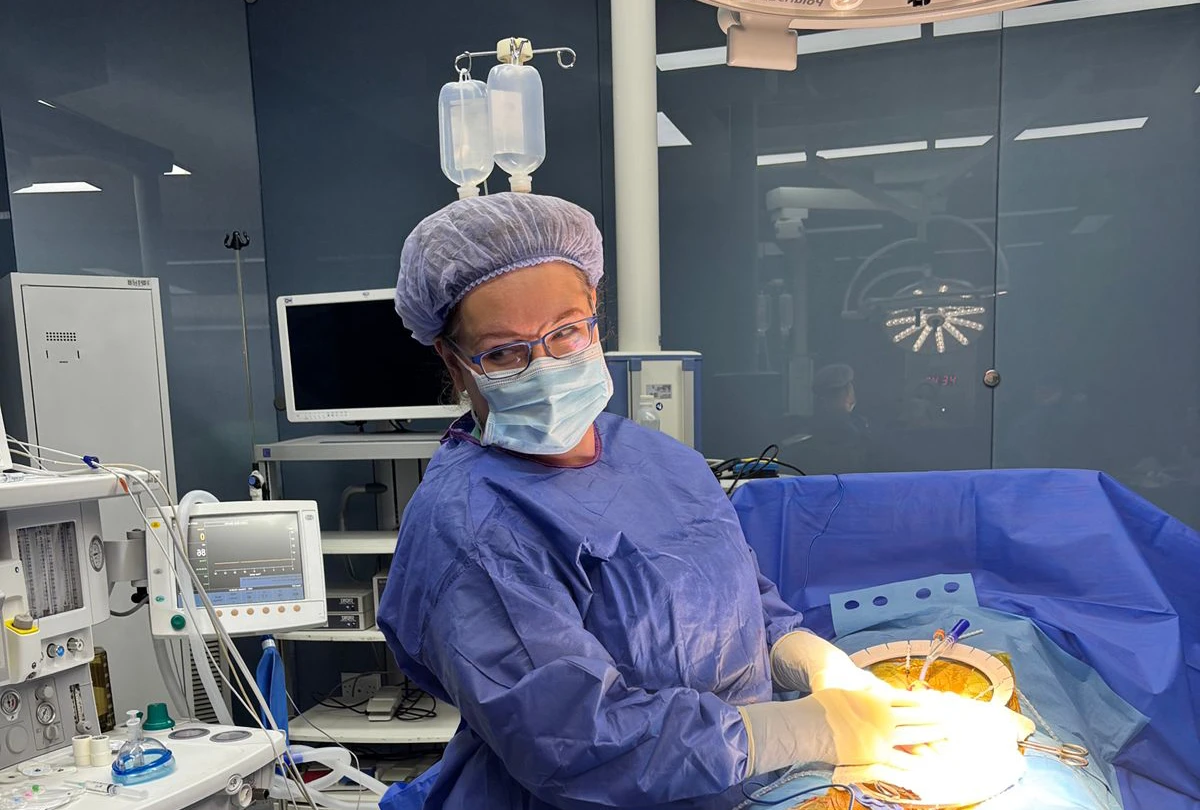
The procedure is performed under local anaesthesia – two short punctures at the base of the penis are sufficient to anaesthetise the entire area of the operation. The aim of the procedure is to expose the glans – to remove the “dead space” between the foreskin and the glans, which will result in better hygiene and comfort and prevent further tearing and fibrosis of the foreskin. The entire procedure usually takes no longer than 40 minutes – from anaesthesia to the final dressing. If, in addition to phimosis, the patient also has a frenulum that is too short, its plastic surgery and lengthening are performed at the same time.
At the end of the procedure, the edges of the wound are secured with dissolvable sutures and a dressing is applied. In the post-operative period, the man must change the dressings and disinfect the wound as recommended by the surgeon, and refrain from any sexual activity and use of the swimming pool and sauna until complete healing.
There are few contraindications to the procedure:
Complications are usually mild: slight oozing from the wound, swelling and hypersensitivity of the glans, and fortunately, they subside quickly. In the case of more severe symptoms such as constant pain, heavy bleeding, inflammation or wound separation, it will be necessary to contact your doctor.
Practical tips for men with foreskin problems
Taking care of your health is a conscious decision that starts with simple steps you can take right now. Proper hygiene, preparation for the procedure and recovery afterwards are key elements that will affect your comfort and safety. Find out how you can help yourself at every stage of the process.
As far as possible, maintain hygiene under the foreskin, but without using force or excessive tension on the skin.
Do not try to stretch or “exercise” the foreskin, as this will only make matters worse.
Think about what shape of foreskin you would like so that you can make a decision about treatment together with your doctor.
Do not delay the procedure unnecessarily. In addition to the obvious benefits in terms of hygiene, aesthetics and comfort during intercourse, remember that there is a lower risk of infection with HPV (and thus a lower risk of penile cancer) and HIV. For patients with diabetes, the significantly lower risk of urinary tract infection is of considerable importance.
Plan the procedure so that you have 1-2 days of relative rest to recover after the procedure. It is not a good idea to have the procedure done just before a long trip – although complications are rare, if you are unlucky enough to experience them, it is better to be able to consult your doctor quickly and on an ongoing basis.
When planning the procedure, take into account that when you leave the clinic, you will still be under the influence of the anaesthetic, you may feel a little dizzy, experience vertigo, etc. This means that for 4-8 hours you should not drive or operate any moving machinery, so it is a good idea to have someone pick you up after the procedure.
You will have to refrain from all sexual activity and masturbation for 2-3 weeks. This is necessary for the wound to heal properly.
And stay positive!