
Men’s sexual health: support for erectile dysfunction
This refers to difficulties in achieving and/or maintaining an erection. Formerly referred to by the derogatory term “impotence”, it has a huge impact on the lives of the men affected. There are many such men, and the problem increases with age:
Erectile dysfunction at age 35
Erectile dysfunction at age 60
Weak erections – a sign that should not be ignored!
It is worth noting that not every weakening of the quality of an erection immediately means erectile dysfunction. The ability to achieve an erection and have satisfactory intercourse is the result of the interaction of many factors that intertwine. In addition to the obvious hormonal, vascular and neurological causes, psychological issues, relationship issues and medication also play an important role.
In case of difficulties, it is important to consult a doctor who has experience in diagnosis and treatment to help identify and properly address the causes of erectile dysfunction.
A deterioration in the quality of erections is an important signal that should not be ignored or “treated” on your own. There are many things to consider during diagnosis and treatment, so it is a waste of time and health to try to figure it out on your own; it is better to consult a specialist. And it is not worth waiting, as every month of progressive erectile dysfunction will cast a shadow over your mood, your relationship, your concentration, your work…
Paradoxically, erectile dysfunction will negatively affect many areas of your life. To make matters worse, difficulties in the bedroom will cause the distance between you and your partner to grow, opening up a whole new set of problems that are difficult to fix. So don’t waste time waiting for it to “go away” on its own, don’t wallow in shame…
Millions of men around the world struggle with this problem, and it is in doctors’ offices that they find solutions, not from suppliers of “miracle drugs” and supplements or on internet forums.
Erection as an indicator of health: diagnosis
An erection is possible thanks to the efficient functioning of the vessels supplying the penis – if they are not efficient, the erection will not be complete. When the vessels narrow as a result of atherosclerosis, diabetes, etc., this happens simultaneously in all their branches. Therefore, erectile dysfunction may be the first symptom of a latent disease, appearing long before it leads to life-threatening health complications such as stroke or heart attack. The vessels supplying the penis are three times smaller in diameter than the coronary vessels, i.e. those supplying the heart. Therefore, it is assumed that the onset of erectile dysfunction precedes acute coronary events by approximately 5 years. In other words, modern diagnostics of early erectile dysfunction allows for effective treatment of chronic diseases, as it is started early enough.
1. First visit
During the first visit, the doctor will conduct a thorough interview to identify risk factors, perform a physical examination and, if necessary, order laboratory tests. If you are pressed for time, you can have a panel of tests done before your visit. However, remember to fast on the day of the tests (and eat only a light dinner the day before) and have your blood taken early in the morning (around 7 a.m.). This is important, otherwise your results will lose their reliability.
2. Diagnostic imaging
When assessing the causes of erectile dysfunction, imaging diagnostics are often recommended, as they allow for a thorough analysis of the urogenital system and blood vessels. These types of tests include, among others:

3. Functional diagnostics
If the results obtained in the previous steps raise any doubts, it is worth opting for functional diagnostics:
4. Decision
At this stage, with the results of the tests at your disposal, you will be able to decide on further treatment together with your doctor. You will receive guidance on how to modify your lifestyle to maximise your chances of achieving a normal, satisfying erection – often this is enough to solve the problem. If you need treatment for diseases detected incidentally, your urologist will refer you to the appropriate specialist. If you want to consult with your partner or another urologist, this will allow you to look at your problem from a broader perspective. There are plenty of options to choose from, and it is important to be aware that if one treatment fails, there are many others you can try. Even if you decide not to take any action, at least at this stage you will know what your diagnosis is and that the disorders are not a symptom of another, undiagnosed disease.
Effective treatment options for erectile dysfunction
Erectile dysfunction is a problem that affects many men, regardless of age. Although it can be a difficult topic to discuss, modern medicine offers a wide range of effective treatments. However, it is crucial to choose a therapy that is appropriate for the cause and severity of the condition. It is worth remembering that a quick response and consultation with a specialist is the first step on the road to health and improving quality of life.
Lifestyle modification



Pharmacological treatment
Pharmacotherapy is an effective way to treat erectile dysfunction, which includes both oral medications and topical therapies.
Oral phosphodiesterase type 5 inhibitors (PDE5-I)
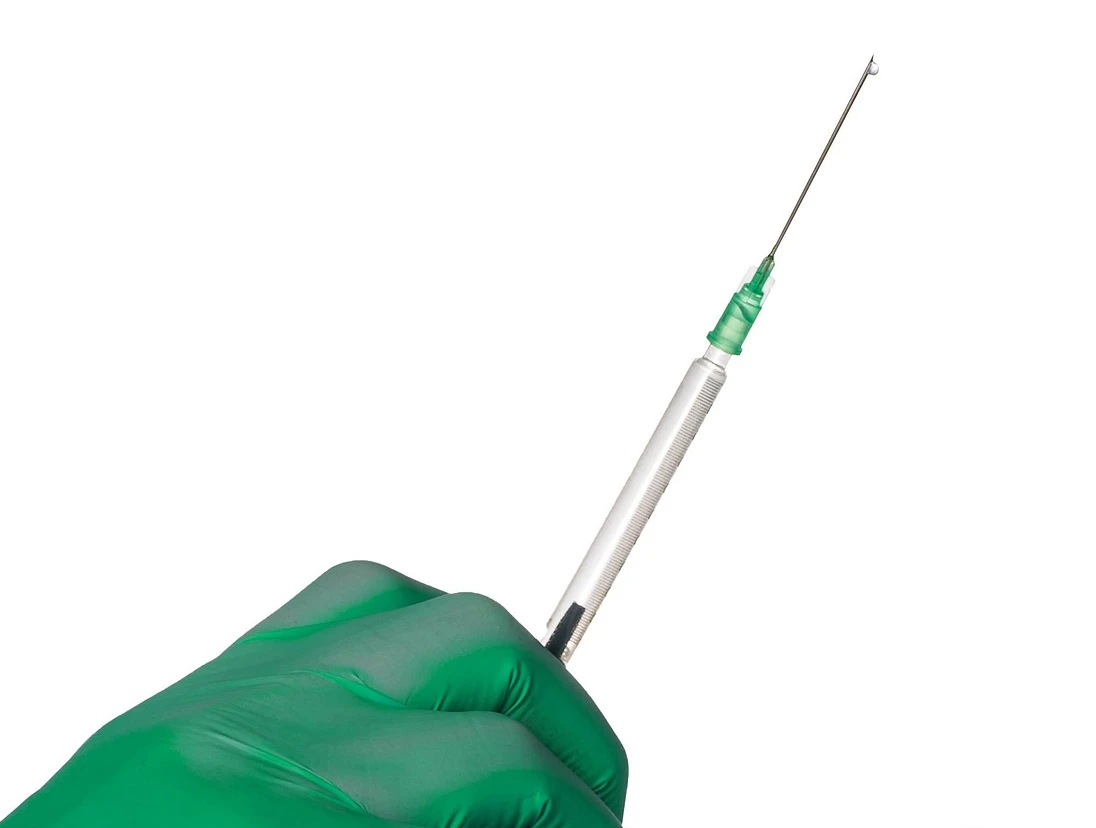
Intracavernosal pharmacotherapy
Regenerative therapies
Shockwave therapy (LISWT)
PRP (platelet-rich plasma, P-shot)